Newspapers: The Times - Language and Representations
Here are your two CSP pages for The Times:


The Times: Notes
Media Language
Mode of address: The Times employs a formal style with advanced language to reflect the needs/education level of the audience.
Construction: The Times uses some layout design techniques to attract its audience (sell lines, kickers, pugs). There are usually not as many as The Mirror, though.
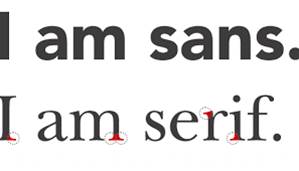
Technical Codes: Whilst The Times employs colour, it is much more understated than the tabloid Mirror. More traditional fonts, styles and sizes reinforce this traditional symbolism.
Conventions: The Times observes more traditional codes and conventions than the Daily Mirror, with less direct address and a more formal, authoritative tone as if giving the reader less active participation and more passive access to information.
The Times: Representation notes
Front page
Some key aspects of the representation on the front page:
- By using the crest in its masthead, the newspaper is associating itself with being British and part of an established heritage and tradition.
- Reporting on the Post Office story is more balanced and doesn't criticise the Conservative government in the same way the Daily Mirror does.
Inside page
Some key aspects of the representation on the inside page:
- These pages partially take the side of the Conservative MPs, presenting them as somewhat heroic rather than calling for the likes of Vennells to be held accountable.
- Look at the different headlines and how they talk about the IT experts that previously worked for the Post Office.
Politics
The Times generally supports the right wing Conservative Party and is against the more left wing Labour Party. The newspaper will often act as a voice for the establishment (the wealthy and powerful) and will not support anything that threatens major changes to the status quo (how things currently are). This can be found in the front cover of the Times we need to study as the newspaper is not supporting the individuals that lost millions as a result of the scandal.
Post Office Scandal
If you're not sure about the main story in these CSP pages then this video summary will help.
Work through the following questions to make sure you are fully prepared for questions on the Times and the newspaper industry.
Language
1) What is the main story on the front cover of the Times CSP edition and why does it appeal to Times readers?
The main story on the front cover of The Times' is about a Post Office CEO who will potentially have to give up her CBE over a scandal. This may appeal to The Times' readers as their primary target audiences lie within the A-B demographic and are between the ages 30-40 with a reformer/succeeder psychographic. This makes them more inclined to be interested in the story as it relates to conservative politics and utilises high-brow terminology such as 'quash' which requires a sophisticated understanding of the subject.
2) How is the presentation of this story different to how the Daily Mirror presents it?
2) How is the presentation of this story different to how the Daily Mirror presents it?
Using the Blumler and Katz theory, The Times places the blame on the ex-IT workers and uses a non-verbal narrative code to paint them as the villains of the story. The blame isn't directed at the Post office or Fujitsu, and the CEO is portrayed as the victim who suffers the brunt of the impact by having her CBE rescinded. This is due to The Times' conservative disposition, which inclines them to defend other supporters of the conservative party such as Vennells. However, on the contrary, the Daily Mirror uses verbal and narrative codes to suggest corruption within the ranks of authority between the government and the CEO's. It places the blame on the post office and fujitsu and labels Vennells amongst other conservatives as the 'villains' of the narrative whereas the workers are the victims.
3) How is the Times front page designed to reflect broadsheet newspaper conventions?
3) How is the Times front page designed to reflect broadsheet newspaper conventions?
The Times' front cover uses a limited pallete to suggest synergy throughout the newspaper with a teal blue border at the top to connote ideas of regalness and nobility. There is a higher text to image ratio and it uses high-brow terminology which is commonly found in broadsheet newspaper conventions. The information provided consists of mainly 'hard news' and the skyline uses the same teal colour as the spread sheet to further support the idea of synergy which reflects the conventions found in broadsheet newspapers.
4) How can you tell the inside pages of the Times are a broadsheet newspaper?
The limited pallete and lack of overwhelmingly vibrant colours with a large ratio of highbrow content are all indicating factors
5) What does a close analysis of the news stories in the Times CSP edition suggest about the Times's political beliefs?
5) What does a close analysis of the news stories in the Times CSP edition suggest about the Times's political beliefs?
Upon closer analysis of the CSP it is clear that the Times is a right leaning paper as it attempts to redirect the blame for the scandal from the conservative party supporters towards the IT workers in order to defend the CEOs from further public scrutiny.
Representations
1) How does the Times represent the Post Office workers and Fujitsu in the CSP pages?
The Times presents the Post Office workers as the 'villains' of the narrative and Fujitsu as the 'victims' as the IT-workers had precursor knowledge of the bug in the code which could've prevented the scandal altogether.
2) What representation of the Conservative Party can be found in the CSP pages of the Times?
3) Consider the subheading about Vennells "Vennells faces call..." - How does this newspaper present her involvement in this story?
The Times presents Vennells as the one facing the brunt of the scandal unjustly as she couldn't have had any knowledge of the bug beforehand and therefore was just as much of a 'victim' as anyone else.
4) What representation of Fujitsu can be found in the CSP pages of the Times? What does The Times journalist think of Fujitsu and Horizon's role in this scandal?
Following Propp's character theory, the main interpretation of fujitsu we can have based off of the newspaper is that it's one of the victims as the blame is shifted onto the "IT experts", portraying them as the villains responsible for the scandal. The Times journalist may think that Fujitsu was not to blame for the scandal as they had no control over what happened - the error lies with the IT workers themselves and not the company.
5) What opinion would Times readers be likely to have about Vennells, the Post Office workers and Fujitsu from reading these pages?
In relation to Vennells' role in the whole ordeal, the Times readers may interpret her as being far too harshly punished as she "faces" the revocation of her CBE. The readers will likely place the blame with the it workers and find fujitsu more innocent.

Comments
Post a Comment