Introduction to Newspapers
GLoW Words
- Left-wing (Socialist): in favour of social equality and reform. The Labour Party is considered left-wing and the Daily Mirror generally supports Labour and left-wing causes.
- Right-wing (Conservative): prefer the traditional way things are and in favour of low taxes. The Conservative Party is considered right-wing and the Times generally supports the Conservatives and right-wing causes.
- Agenda: issues brought to the attention of the people through news.
- Elitist: for the good of a few people, usually the upper classes or most educated.
- Political Bias: when an industry or media product supports a certain political view.
- Hard news: information on topics like business, politics and international affairs.
- Soft news: blurs line between information and entertainment so may be centred more on gossip, celebrities or lifestyle issues.
- Tabloid: smaller, popular and tends to focus on sensational stories and softer news.
- Broadsheet: larger, more niche and tends to focus on serious, harder news.
Historical, Social and Cultural Context
The ‘Press’ is a collective term for the newspaper industry. The name comes from printing presses.
Newspapers are still popular media products for audiences to get their news, be entertained and informed. There are a range of national (Daily Mail), regional (Birmingham Mail) and specialist newspapers (The Racing Post).
Whilst still popular, since the 1950s, there has been a gradual decline in newspaper sales due to the rise of TV ownership (and news programmes) and, more recently, the growth of digital news through websites and social media.
The importance of a free press
A free press implies that journalists (those that write for newspapers) and newspaper editors can edit content free of intervention from Government influence.
More than a third of the world’s population live in countries where there is no press freedom. Journalists are often imprisoned if they disagree with the Government, social media channels are not allowed, non-democratic countries often control access to information and employ state-run news organizations.
The importance of a free press
A free press implies that journalists (those that write for newspapers) and newspaper editors can edit content free of intervention from Government influence.
More than a third of the world’s population live in countries where there is no press freedom. Journalists are often imprisoned if they disagree with the Government, social media channels are not allowed, non-democratic countries often control access to information and employ state-run news organizations.
Recently, democracy has been challenged by the decline in trusted news sources and the rise of 'fake news' or misinformation. Here's a good video highlighting the dangers of a 'post-truth' society:
Tabloids and Broadsheets
There are generally two classifications of newspapers – Tabloids and Broadsheets.
Tabloids tend to be easier to read, feature shorter articles and include more photographs. They report on major news, but also include a lot of showbiz gossip, entertainment and sport. They tend to be the better sellers. Examples include The Sun and the Daily Mirror.
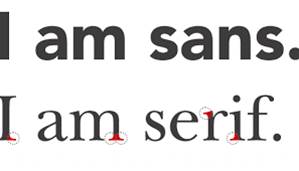
Broadsheet newspapers traditionally used to be larger (printed on ‘broad sheets’) although most are the same size as tabloids now. They tend to be more serious, have smaller fonts, more advanced use of language and less photography (although they have included more over the last 20 years to be more popular). They tend to have lower circulation figures than tabloids. Examples include the Times and the Daily Telegraph.
Introduction to Newspapers: Blog Task
Create a new blogpost called 'Introduction to Newspapers' and answer the following questions:
1) What type of news can you typically find in a tabloid newspaper?
Soft News that typically focuses on celebrity gossip with shorter, more digestible stories aimed at a working-class demographic.
2) What type of news can you typically find in a broadsheet newspaper?
Hard News, centred around politics, business etc, it typically goes into more depth within current topics and avoids sensationalised language to provide more clarified insight base on the newspapers political agenda.
3) If someone is left-wing, which political party in the UK are they most likely to support? Which newspapers would they be likely to read?
If someone is left-wing they're more inclined to support the Labour party and would be more likely to read left-leaning newspapers like 'The Daily Mirror'.
4) If someone is right-wing, which political party in the UK are they most likely to support? Which newspaper would they be most likely to read?
If someone is right-wing they're most likely to support the Conservative party, they'd likely read 'The Times'.
5) Why has there been a decline in newspaper sales in the last 50 years?
There has been a decline in sales since the 1950's since the proportional rise of TV ownership and more recently the delivery of news through digital social media platforms that are available on mobile devices.
6) Why is a free press important in a democracy like the UK?
More than three thirds of the Globe do not have a free press, which is why it's important for democratic countries like the UK to have as much clarity within their news as possible, however with the increase of 'fake news' being spread for shock value across social media, it becomes increasingly more difficult to provide clear and honest information to audiences. This stifles the flow of clarified content and deprives the masses from a honest source which has a massive negative impact upon the people within the audience who rely on the internet to keep them up to date on the world's current circumstances.

Comments
Post a Comment