Coursework: Statement of Intent
This is simply a Word or Google Document in which we write what we are planning to make for our coursework. Your completed summer project will give you most of the information you need for this - particularly the planning section - but you may have changed or developed your idea since the summer. Your preliminary exercise learner response may also help you consider what you plan to create for your real coursework production.
Our coursework brief for 2026 can be found here - remember you need to choose either video or print adverts.
The Statement of Intent word count is 300 words - you can go slightly above this if you want to but you need to keep it close to 300.
This Statement of Intent guidance will help you if you're not sure what to write - you'll need your Greenford Google login to access it. The most important thing is that you cover media language, representations and the target audience in your Statement of Intent.
Another tip is that you can use subheadings and bullet points in your Statement of Intent - it doesn't need to all be in paragraphs. In fact, bullet points are very useful for keeping the word count down.
Finally, here is an example statement of intent from a previous year - note this was a different brief but the layout and use of media terminology and theory may help you.
Here's the Statement of Intent mark scheme:

Statement of Intent: task
1) Write your Statement of Intent on a Word or Google Doc - word count 300 words. Use this Statement of Intent guidance document to help you.
Submit your Statement of Intent to your teacher by emailing them the Word or Google Document
statement of intent for magazine
Masthead: Drift
Leading Article: Where the sea takes you with Iris Newman
I plan to produce a front cover and a double-page spread for a gossip-style magazinewhich will feature a celebrity's interview-style thoughts on her "self-help book/ autobiography" with extracts of the book on travel destinations. The article will analyse where she's been, what food she's tried and what places provided the most unique, awe-inspiring experiences unique to the local culture.
The magazine's cover image will feature a woman on her own in front of a travel destination, she'll subvert the stereotype that a woman requires financial stability from a male counterpart in order to travel and represent women and racially marginalised groups of people in British society.
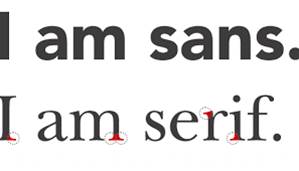
The first page of the spread will display the places she’s visited and what food she’s discovered following the blumler & Katz theory where the audience develops a personal relationship with the celebrity and a form of escapism through the photos of holiday destinations. This will attract the psychographic "Explorer" and "Aspirer"as they'll be seeking travel and the ability to take agency of their mental health, body, diet and finances. The text will touch on the cultural relevance of the locations she’s visited and the ingredients used in the food she has tried. I'll use a chic, professional serif font for the headlines and a sans serif font for the primary body of text to give it a modern appeal.
The second page of the spread will then promote her new book/autobiography, in it she'll be breaking down each crucial element of her own personal dieting secrets and exercise plans. It will include a narrative featuring Todorov’s equilibrium theory where prior to covid-19 she was able to travel but then because of the pandemic she wasn’t able to, causing disequilibrium, however, she was able to restore the equilibrium by re-connecting with nature. The page will end with features of success stories and a list of benefits to goad the readers into buying the book.. I'll use a variety of close-up shots and medium to wide angle shots to connote ideas of “freedom” and “self-liberation”. The audience I'm aiming to attract with the magazine is female 21-29 years olds who are upper-middle class.


Comments
Post a Comment